Best guitar pedals and amps, compared on specs
A trusted, spec-first take on what to buy next. We read the manuals, do the math and cite it — and we tell you what we haven’t played.
What this site is built from
- Pages published
- 76
- Products with published specs compiled
- 80
- Manufacturer sources cited
- 70
- Shortlists naming a pick to skip
- 36
What we’d buy in each category
The top pick from every shortlist on the site. Prices come from the live price layer only — where there is no live figure the button says so rather than showing a remembered number.

Best for Metal
BOSS NS-2 Noise Suppressor
The Send/Return loop lets the gate listen to your clean signal while muting the noisy pedals.
Best for Shoegaze
Electro-Harmonix Big Muff Pi
Two cascaded clipping stages and effectively infinite sustain — the sound the genre is built on.
The Canon
Ibanez TS9 Tube Screamer
Symmetrical clipping in the feedback loop, a fixed mid hump and rolled-off bass — the shape every other drive is described against.
Best Under $100
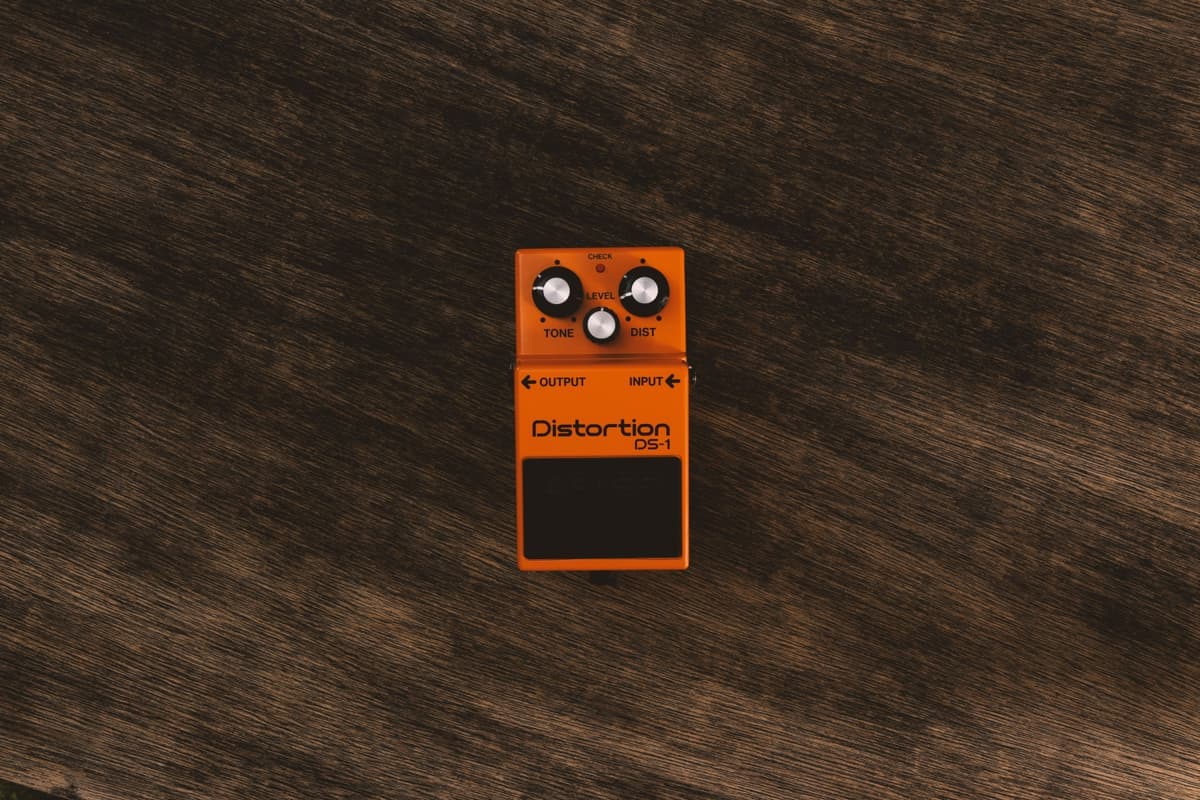
BOSS DS-1 Distortion
A published spec sheet, a five-year warranty and a circuit that has been on records for forty years.
Best First Board
BOSS TU-3 Chromatic Tuner
The only pedal that improves every performance rather than some of them.
Best Overdrive
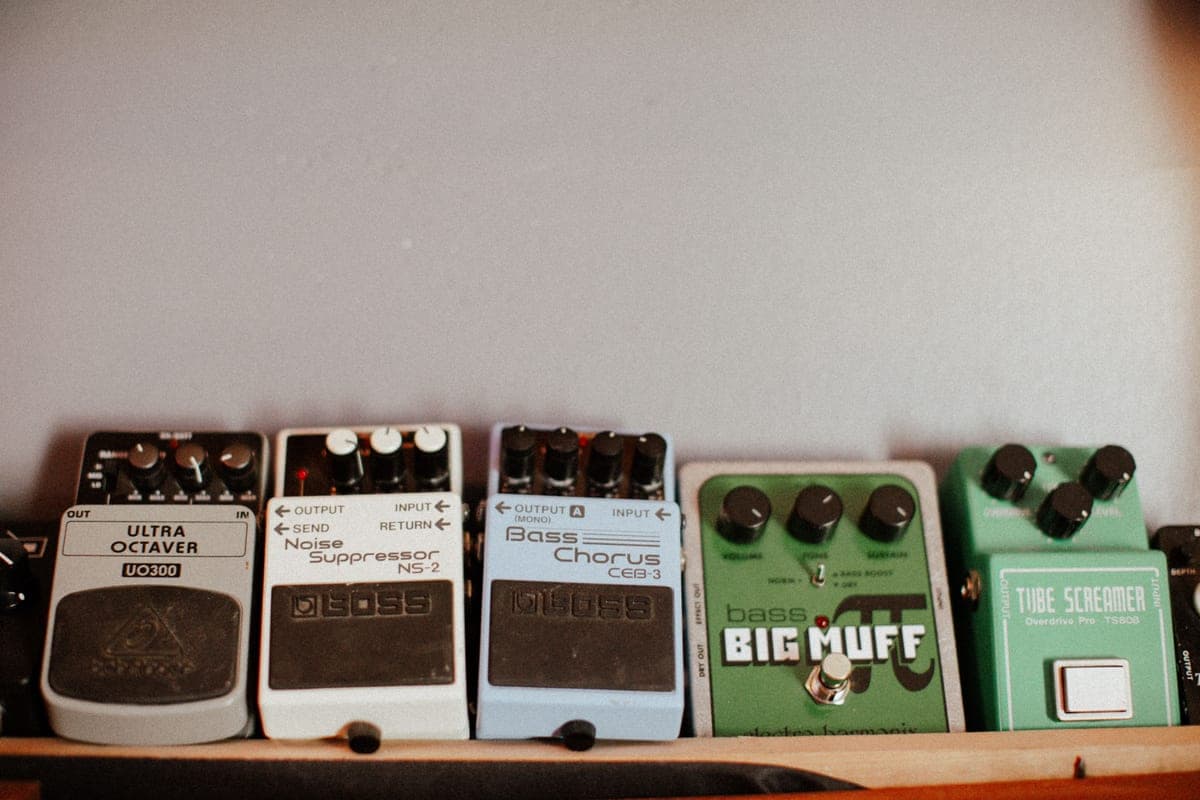
EarthQuaker Devices Plumes
Three switchable clipping modes including a no-clipping boost, with the highest published input impedance here.
Best Klon-Style Drive
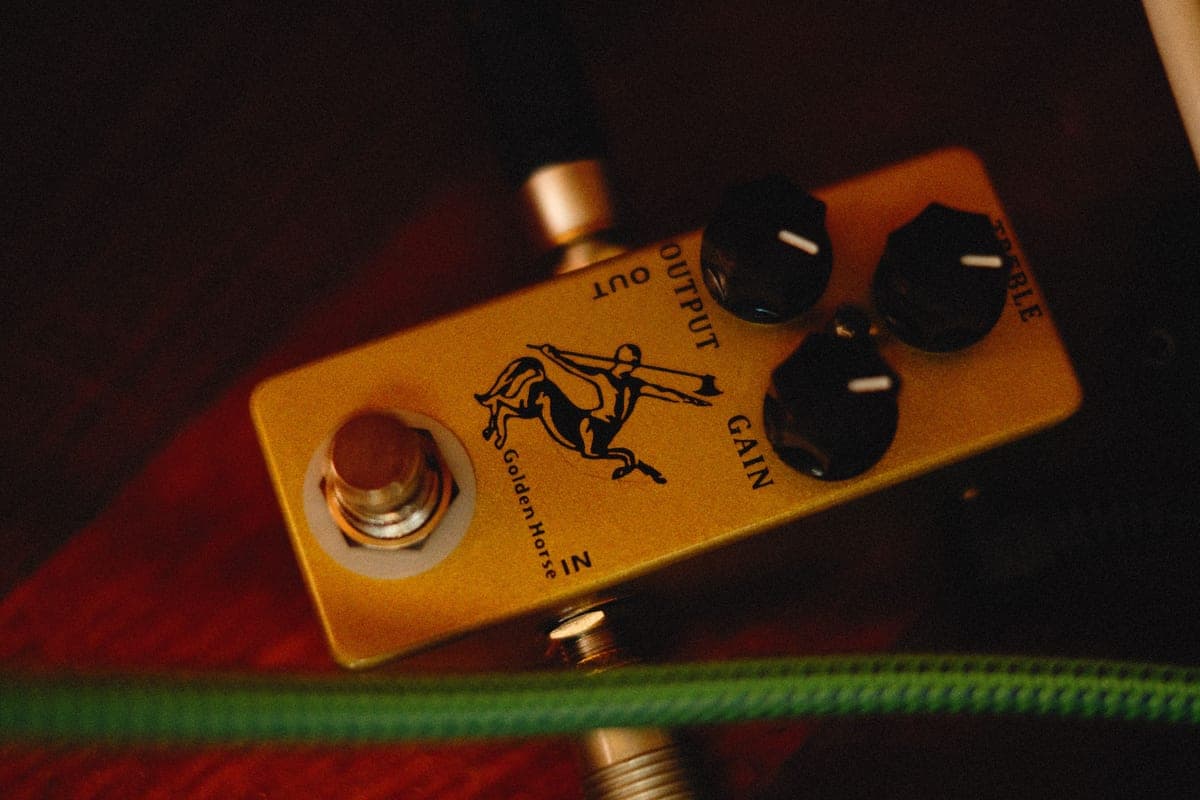
Wampler Tumnus
Three controls, buffered bypass, and a footprint that fits where a full-size pedal will not.
Best Fuzz
Electro-Harmonix Big Muff Pi
Enormous sustain, a fixed mid scoop, and enough input impedance that placement is not a puzzle.
Best Distortion
Pro Co RAT 2
Hard clipping to ground with a low-pass Filter, which is the right control for a circuit that generates this much harmonic content.
Best Delay
BOSS DD-8 Digital Delay
Eleven modes, up to 10 seconds, tap tempo and true stereo I/O.
Best Reverb
BOSS RV-6 Reverb
Eight modes including Spring, Shimmer and Dynamic, with true stereo I/O and an expression input.
Best Modulation
MXR Phase 90
Four all-pass stages sweeping notches through your signal, with one Speed control and nothing else.
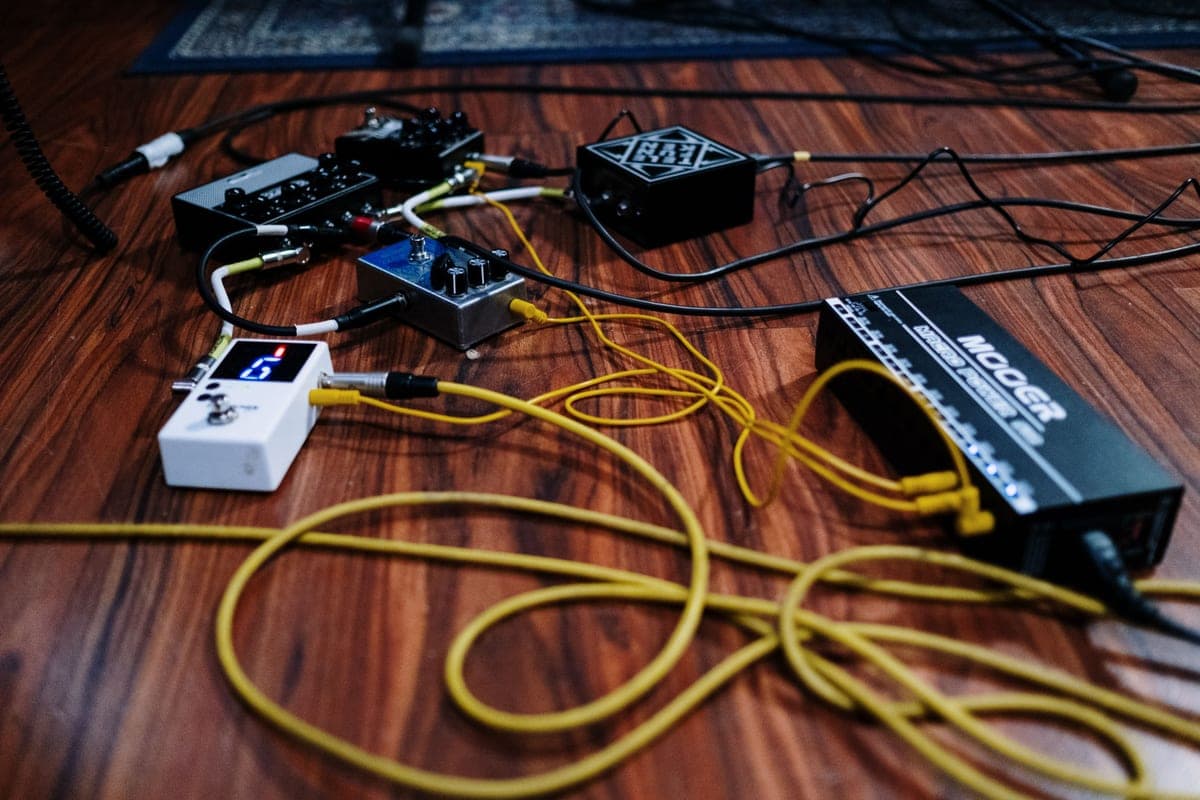
Best Compressor
Keeley Compressor Plus
The blend control keeps the dry transient while the compressed signal adds sustain underneath it.
Best Tuner
TC Electronic PolyTune 3
+/- 0.02 cent in strobe mode, plus a mode that reads all six strings at once.
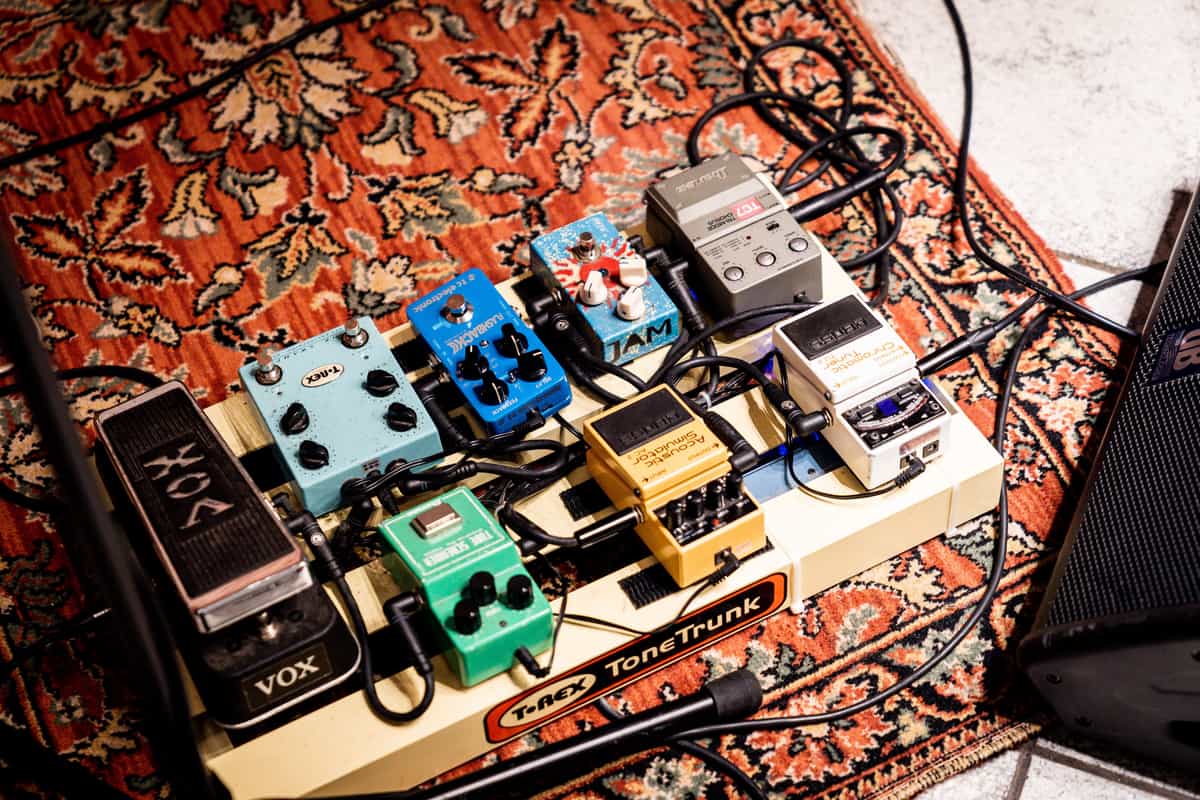
Best Noise Gate
BOSS NS-2 Noise Suppressor
Send and Return jacks let the detector listen to your clean guitar while the muting happens after the noisy pedals.
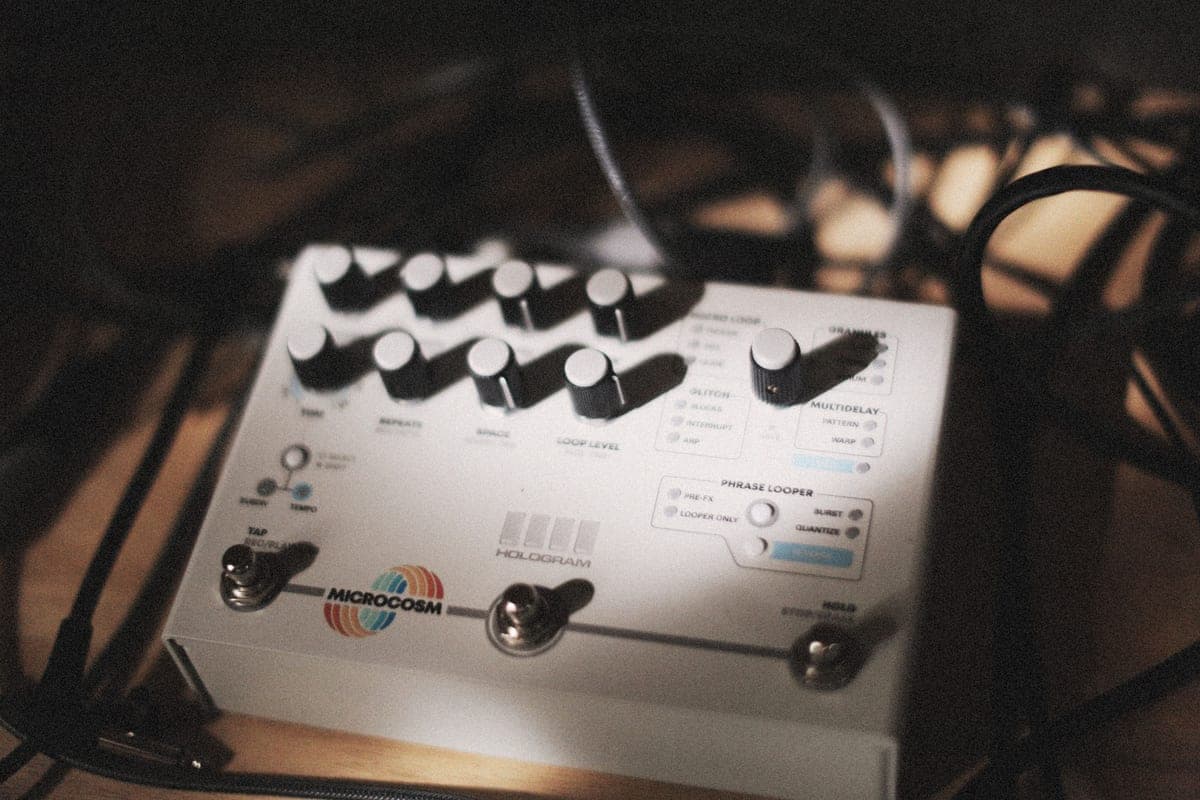
Best Looper
TC Electronic Ditto Looper
One knob, one footswitch, five minutes, true bypass and an analog dry path.
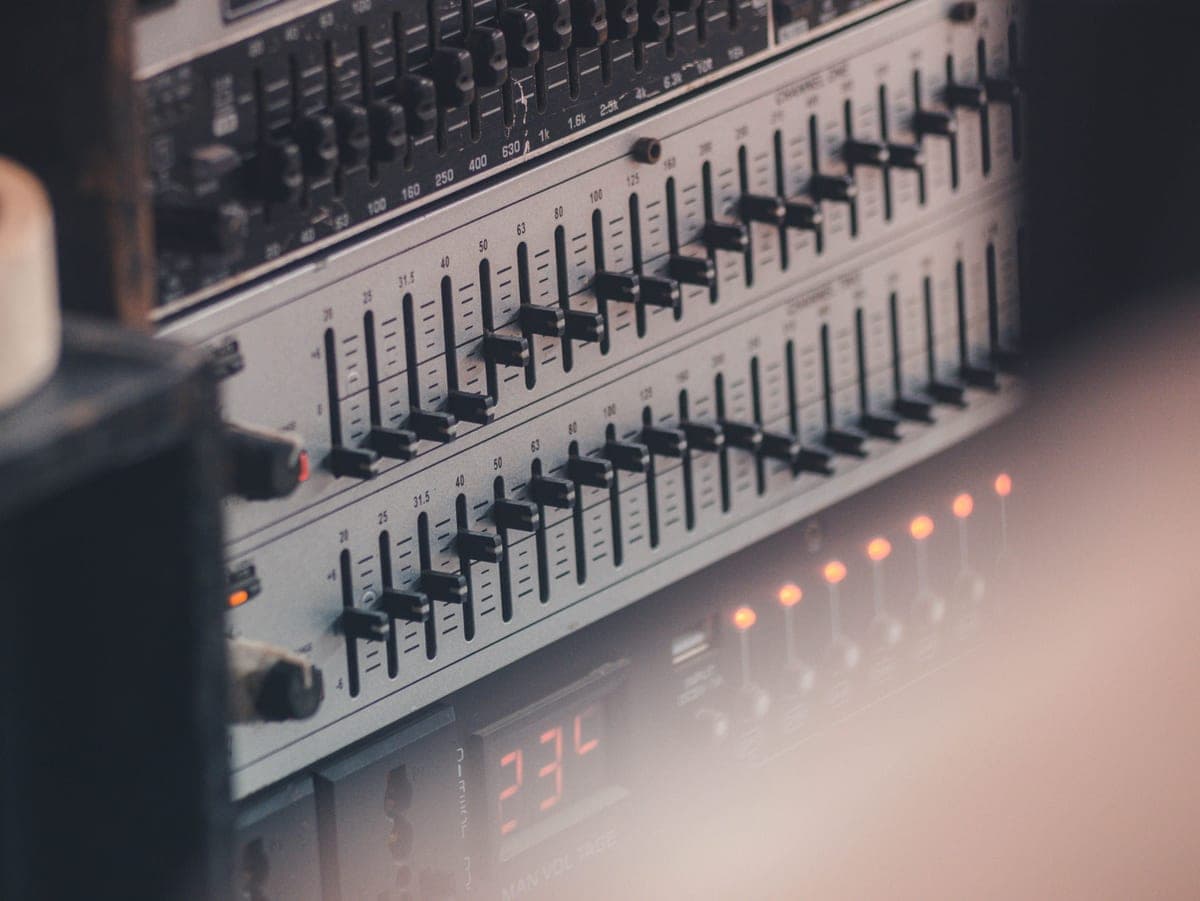
Best EQ Pedal
MXR 10 Band EQ
Ten bands from 31.25 Hz to 16 kHz at +/- 12 dB, with two outputs.
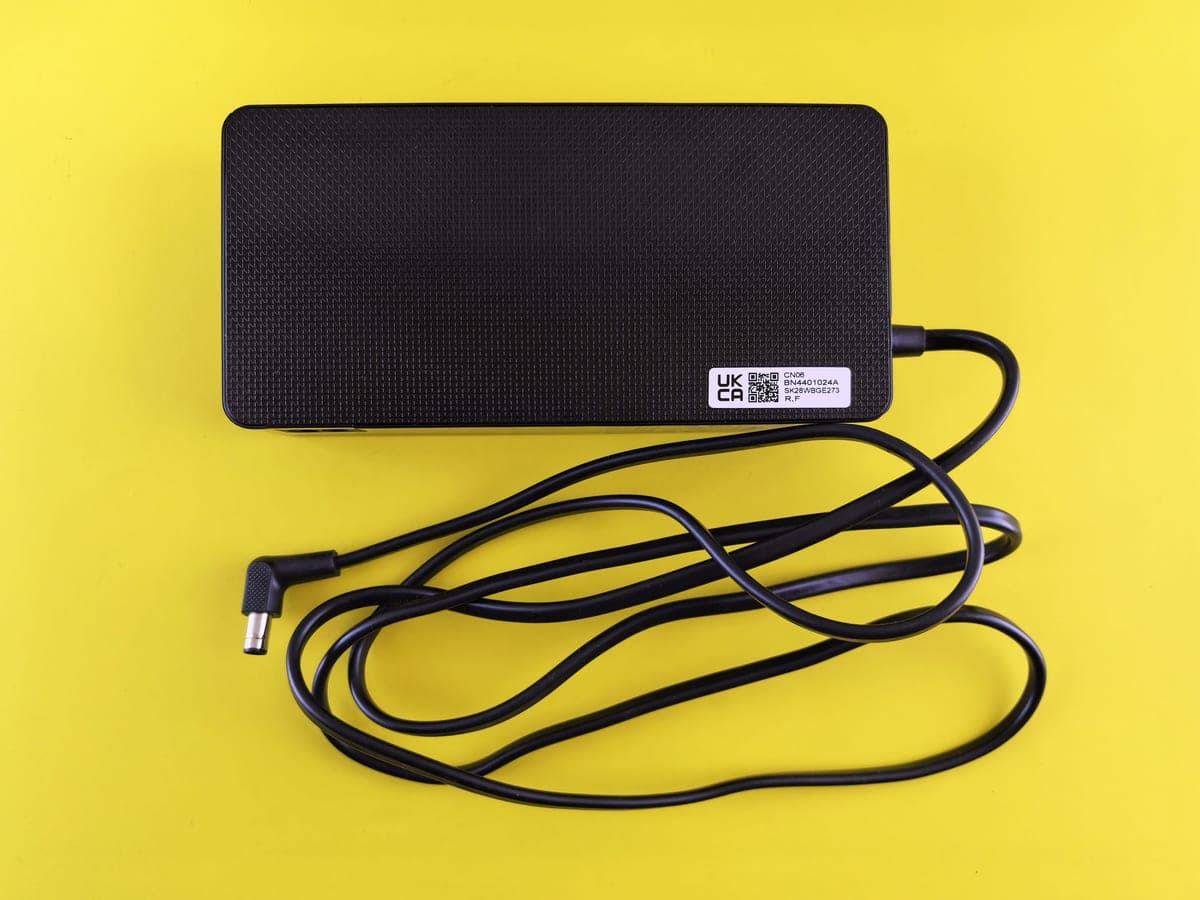
Best Power Supply
Strymon Zuma
500 mA on every one of nine isolated outputs, so pedal assignment stops being a planning exercise.
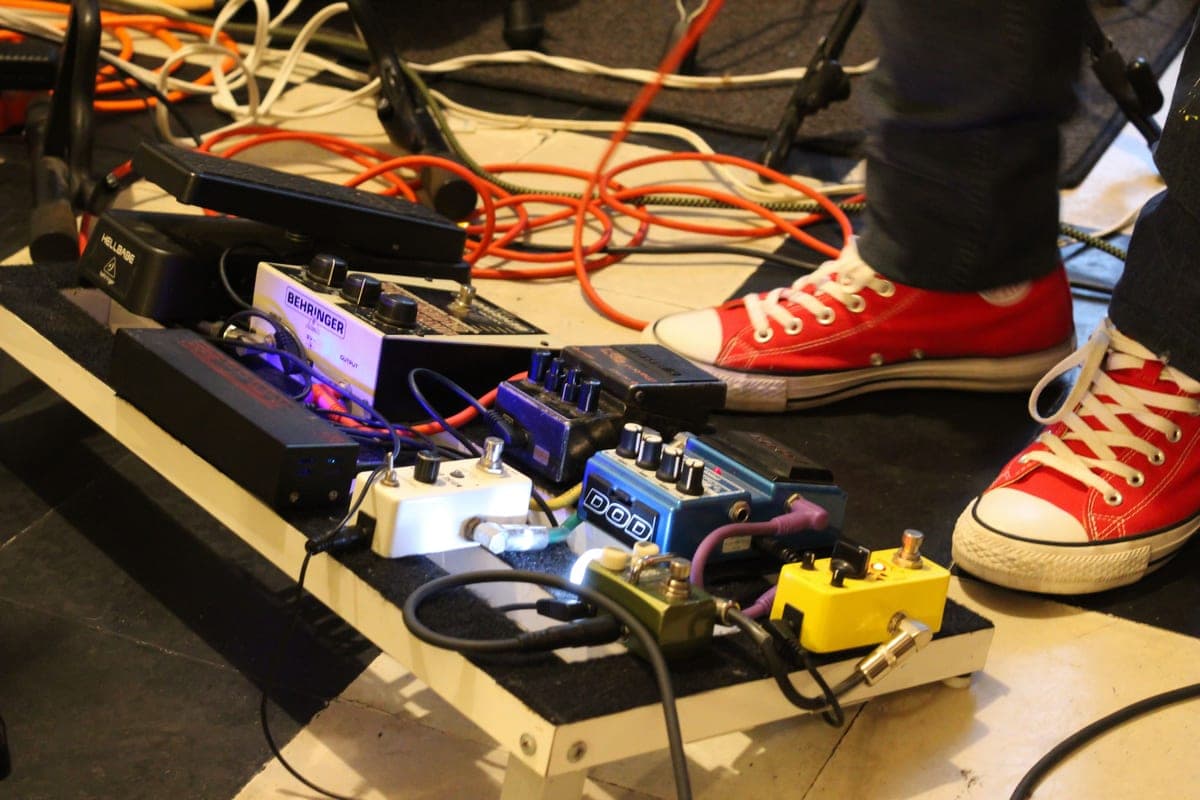
Best Power Under $100
Truetone 1 SPOT
1,700 mA from one output, worldwide mains, and it occupies a single wall socket.
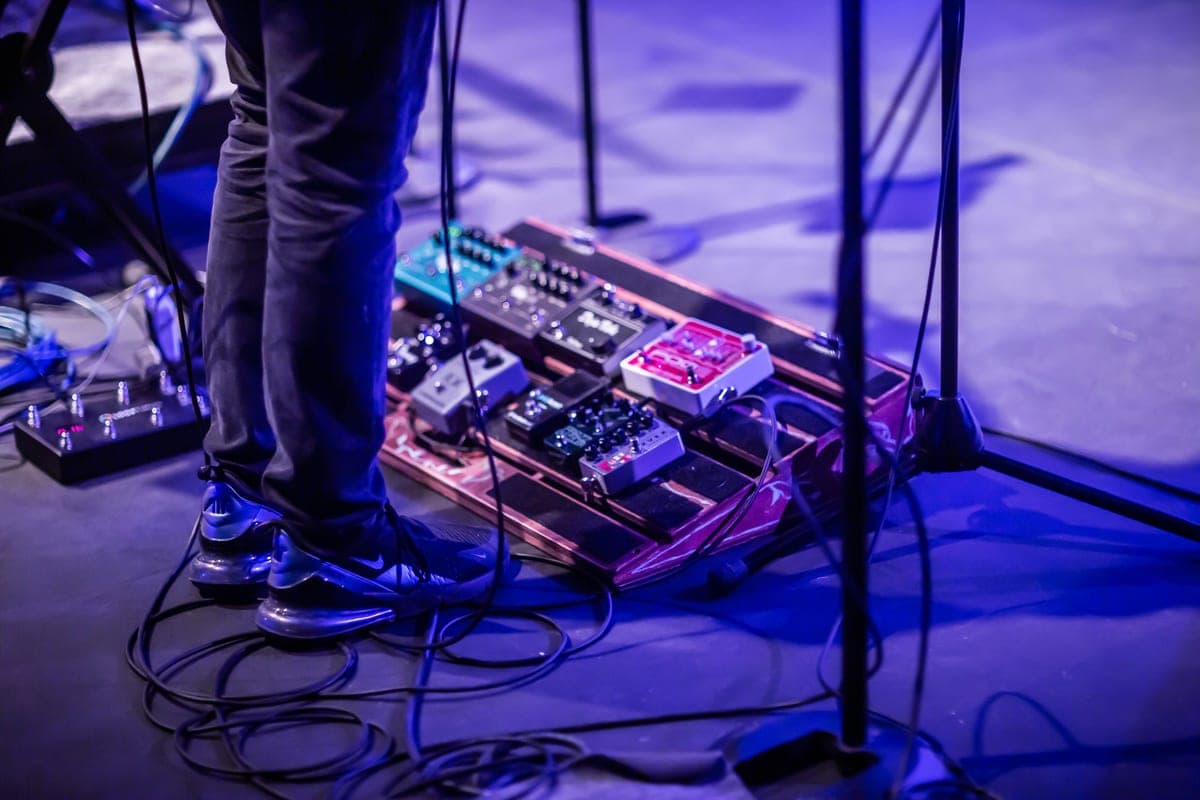
Best Pedalboard
Pedaltrain Classic JR pedalboard
The angled frame leaves genuine room underneath for a power supply, which is the whole point.
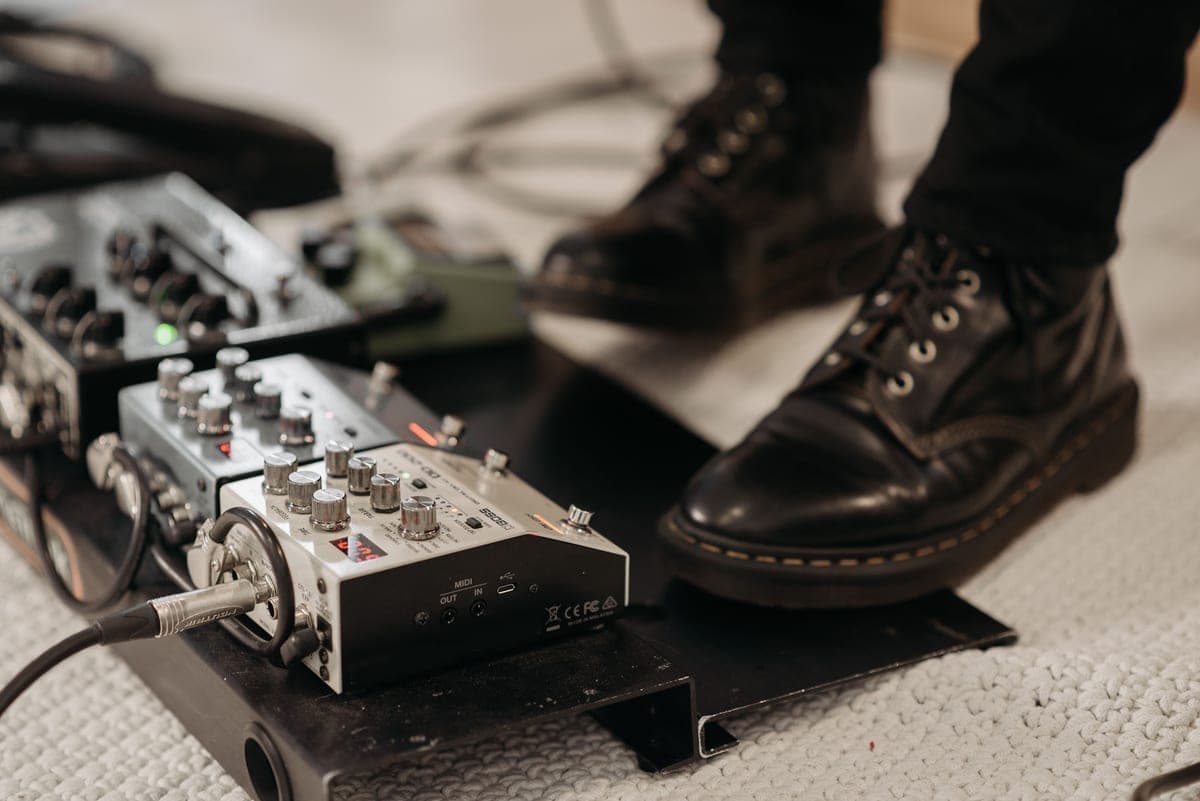
Best Patch Cables
EBS Flat patch cables
Molded plugs at fixed lengths — nothing to come loose, and a flat profile that saves depth between rows.
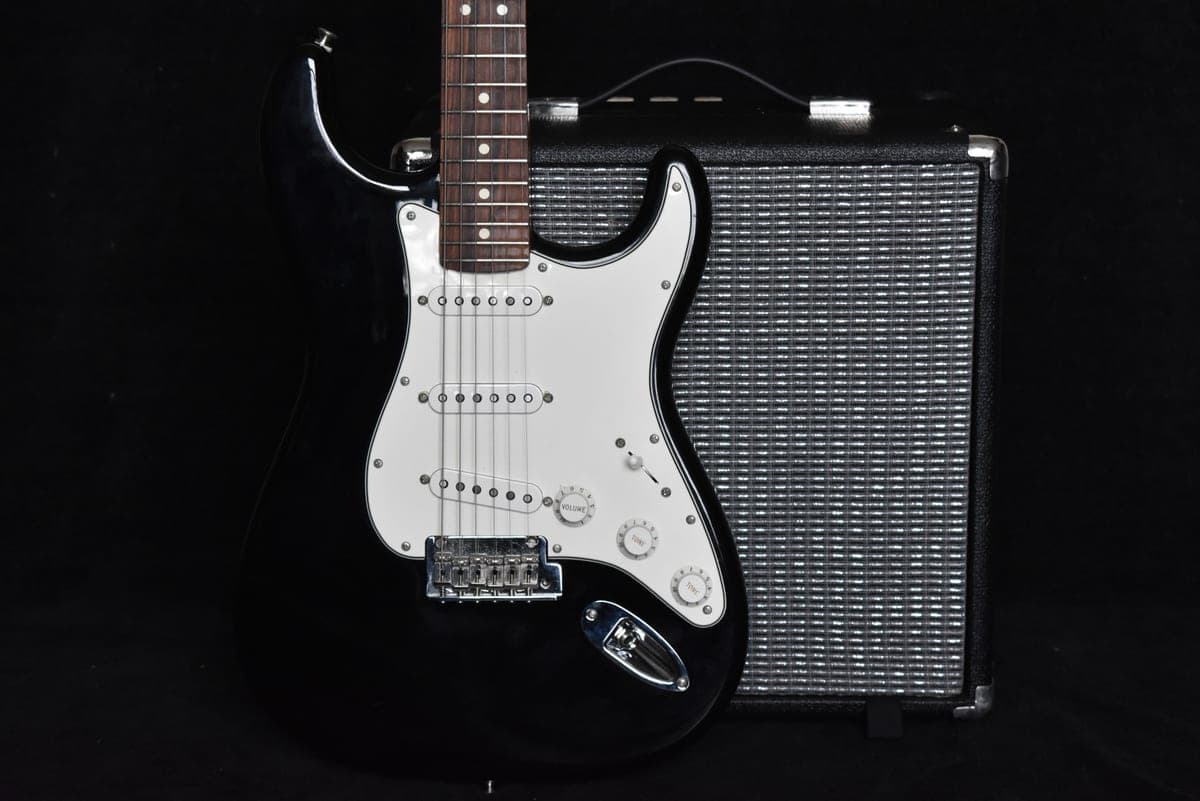
Best Amp Overall
BOSS KATANA-50 MkII
50 W into a 12-inch speaker with five amp characters, five effects sections and a Power Control switch.
Best Pedal Platform
BOSS KATANA-50 MkII
50 W of solid-state headroom, a Power Amp In jack, and an Acoustic character that is effectively a flat clean channel.
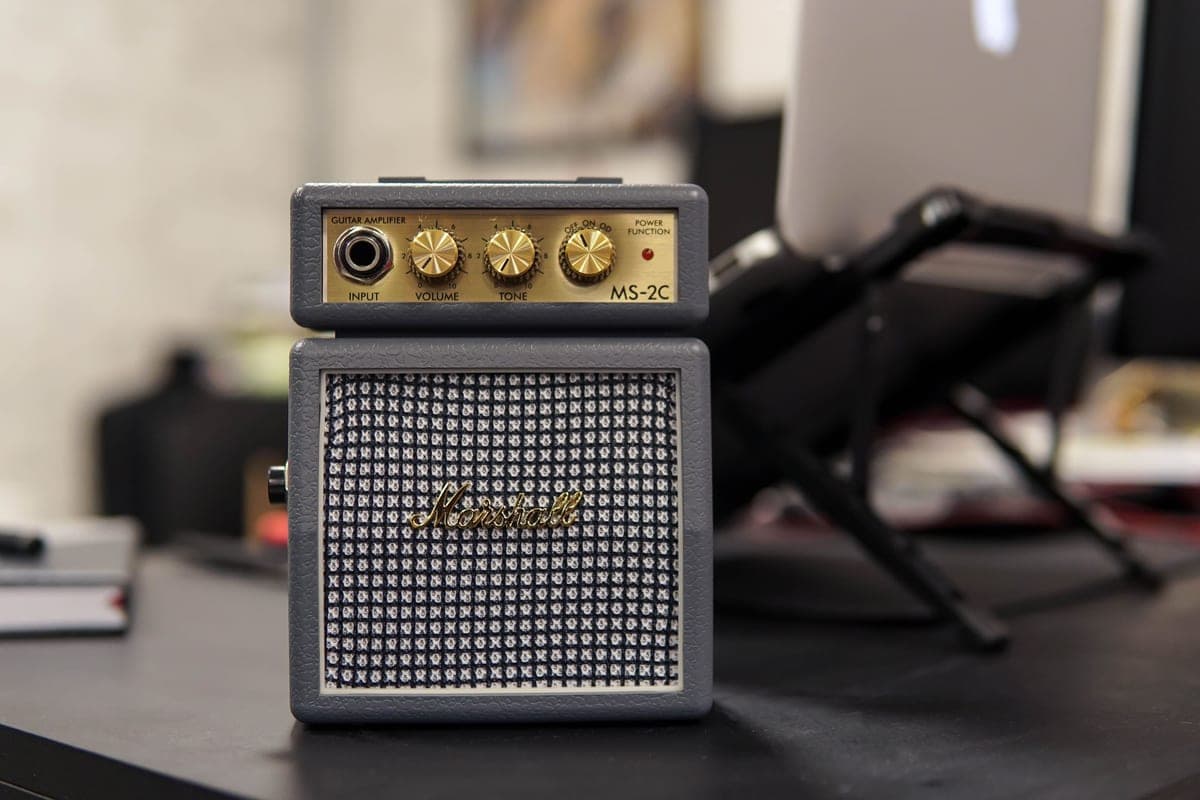
Best Practice Amp
Positive Grid Spark 40
Bluetooth audio, a USB recording interface, 33 amp models and 43 effects in a 5.2 kg box.
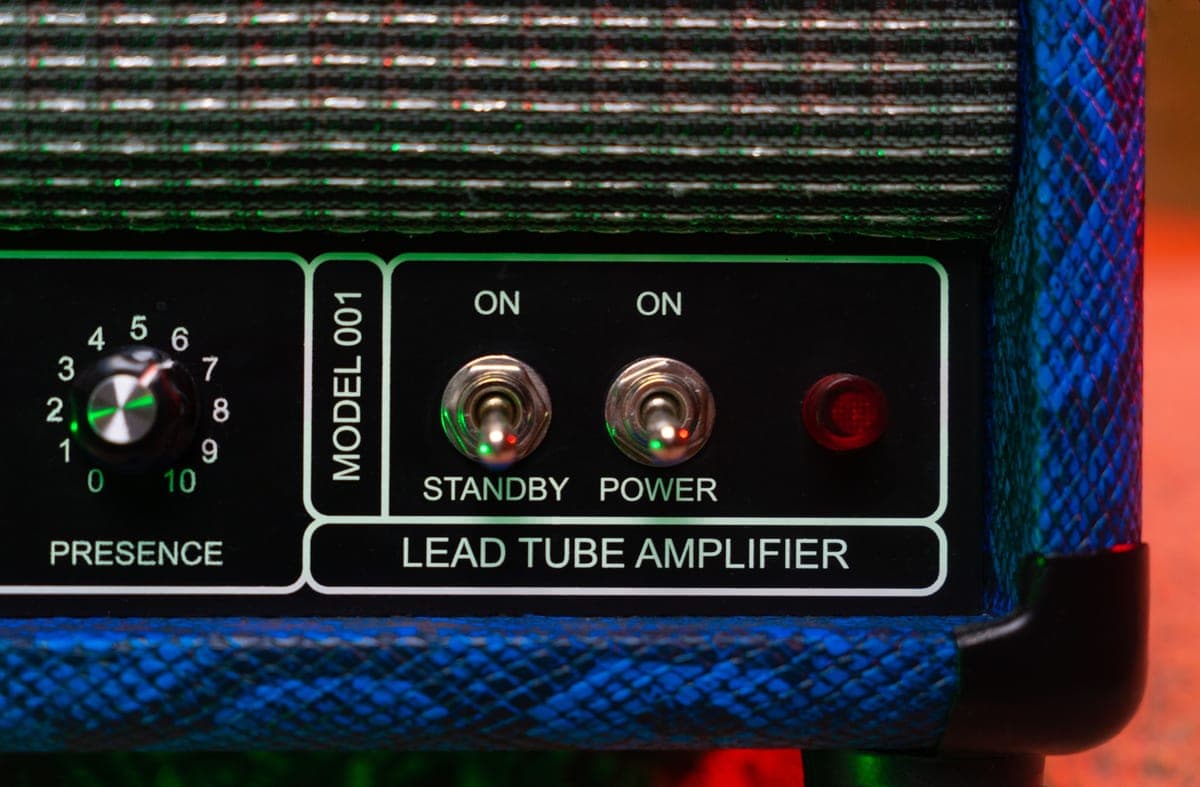
Best Tube Amp Under $1,000
Marshall DSL20CR
The most complete feature set at this price: EL34 gain, a real loop, and half power.
Best Attenuator
Two Notes Torpedo Captor X
A reactive load, three attenuation steps, cabinet simulation and a stereo DI in one unit.
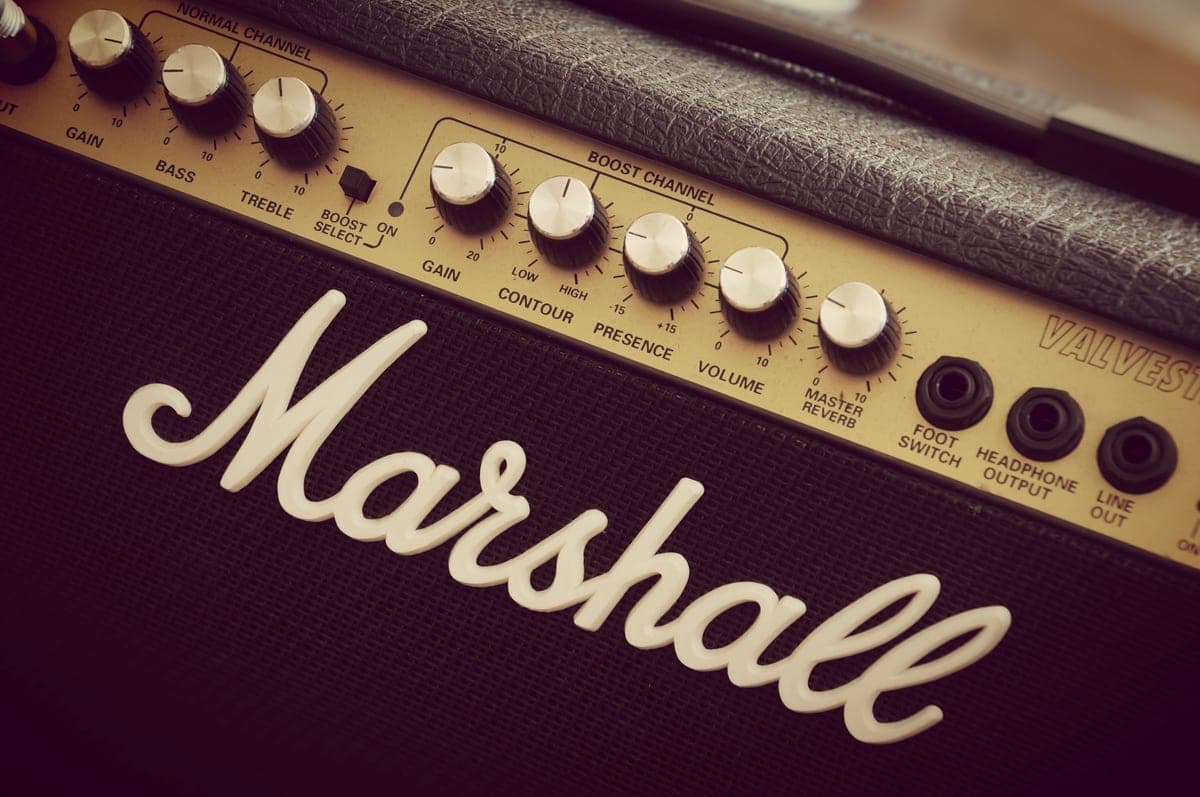
Best Amp for Metal
Two channels with extra gain voicings, a quarter-power switch and a speaker-emulated DI.
Start with the category you’re shopping in
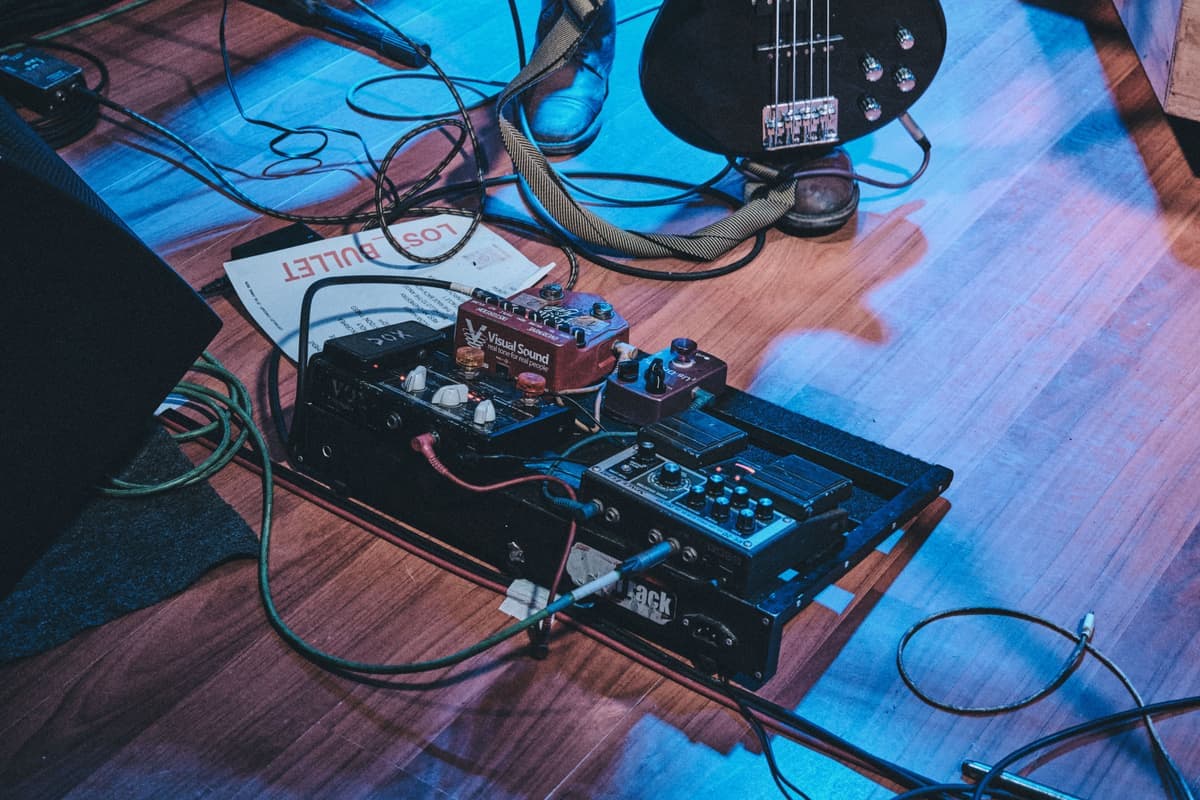
Best Guitar Pedals
One shortlist per job, chosen from published circuit and power specs. Every list names something we would not buy, and says why.
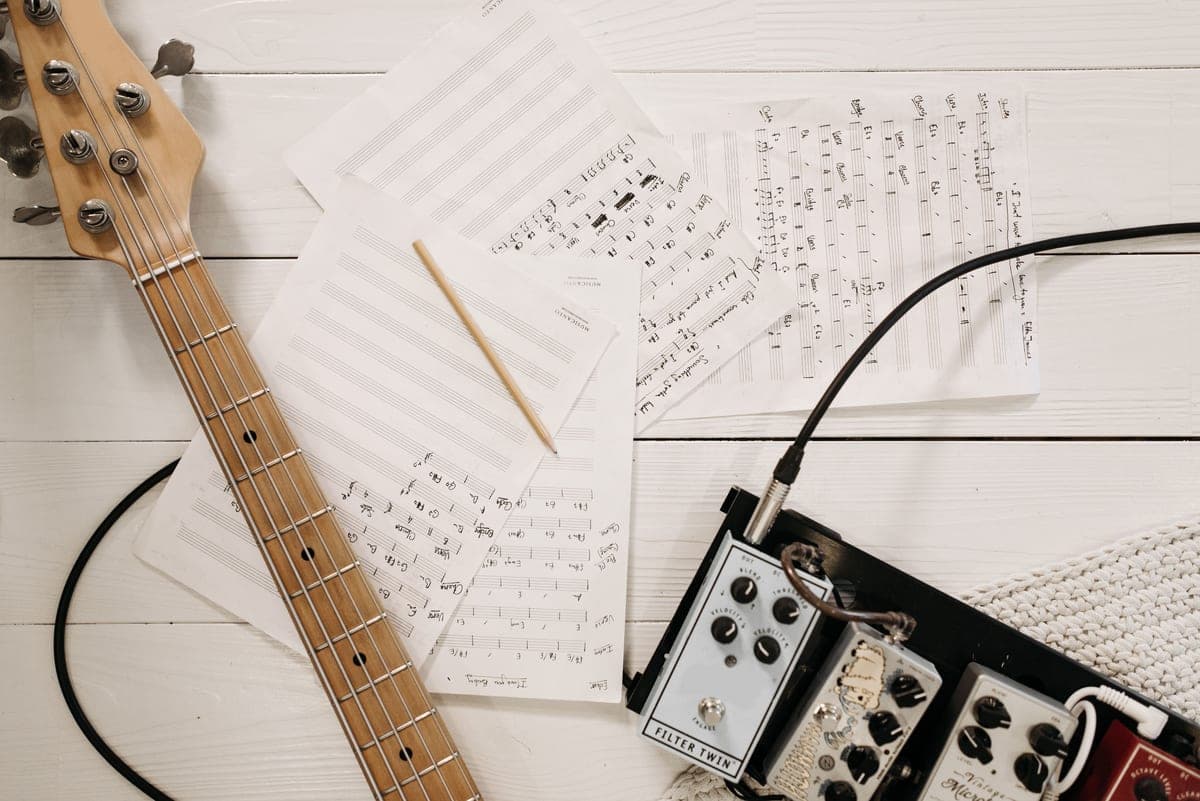
Overdrive & Boost
Four circuits do most of the work in this category. Once you can name which one a pedal uses, the shopping gets much shorter.
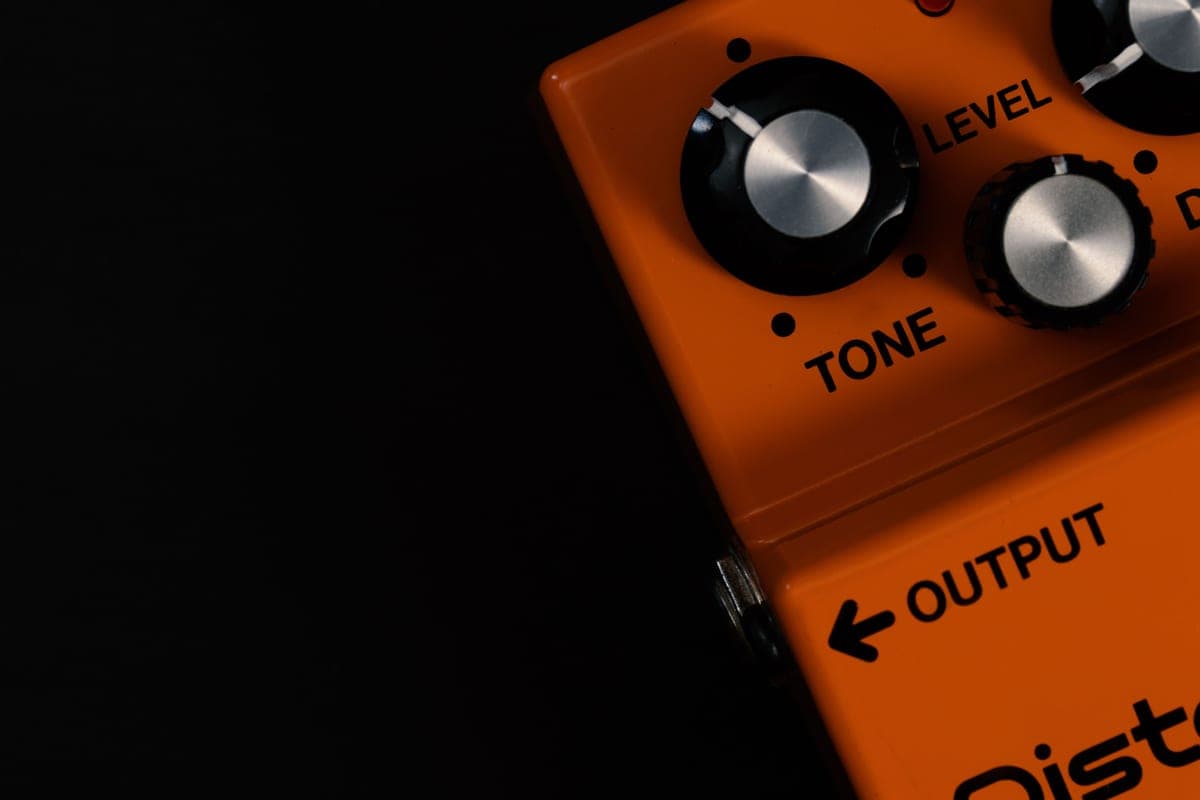
Distortion & Fuzz
This is the category where one unglamorous published number — input impedance — decides more of the outcome than the tone controls do.
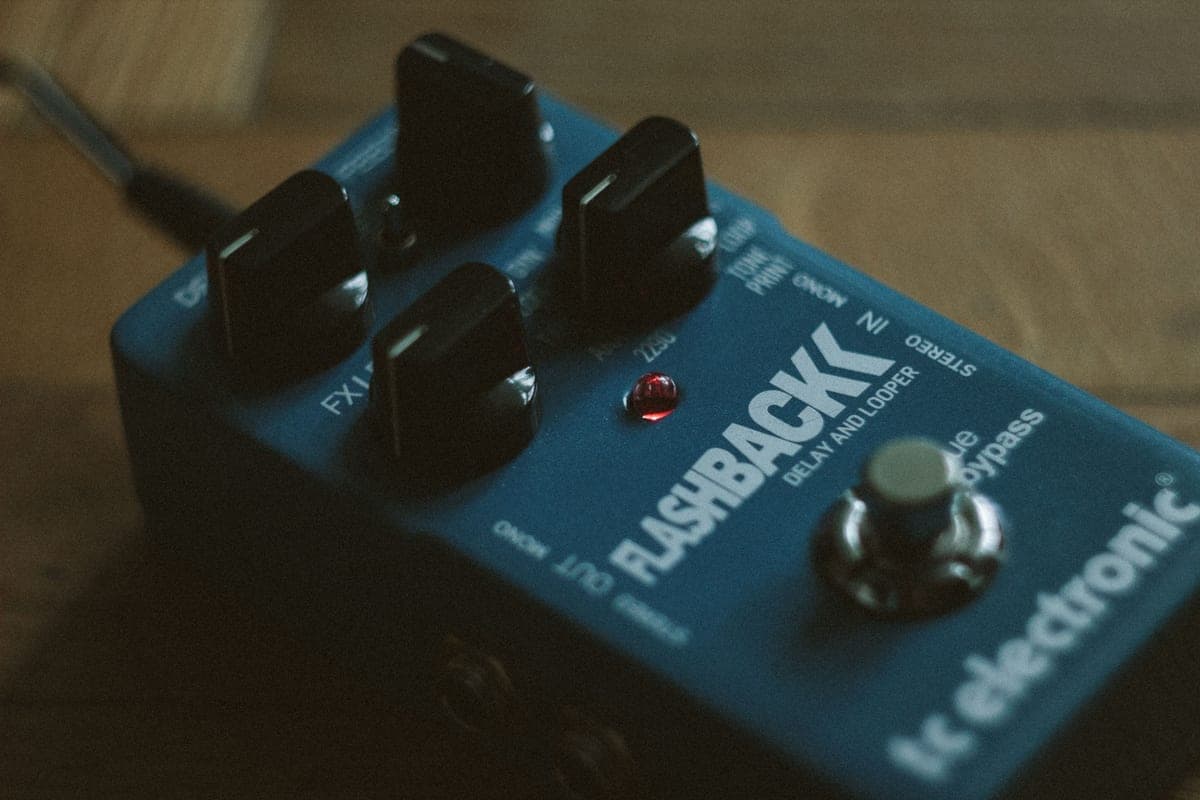
Delay, Reverb & Modulation
Time-based effects are where a pedalboard's power budget goes. Three numbers decide almost everything here: current draw, maximum delay time and bypass type.
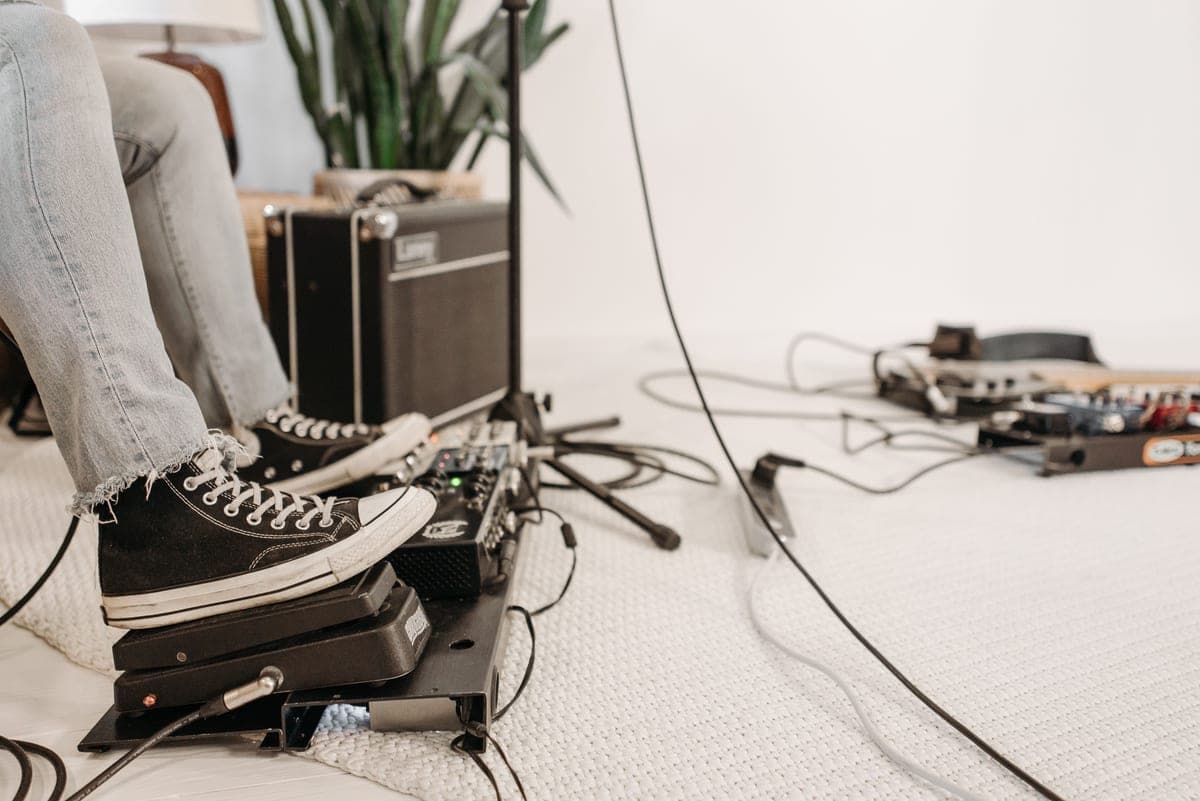
Utility Pedals
The unglamorous half of a pedalboard. These pedals fix a named problem, which makes them the easiest category to shop for on specs alone.
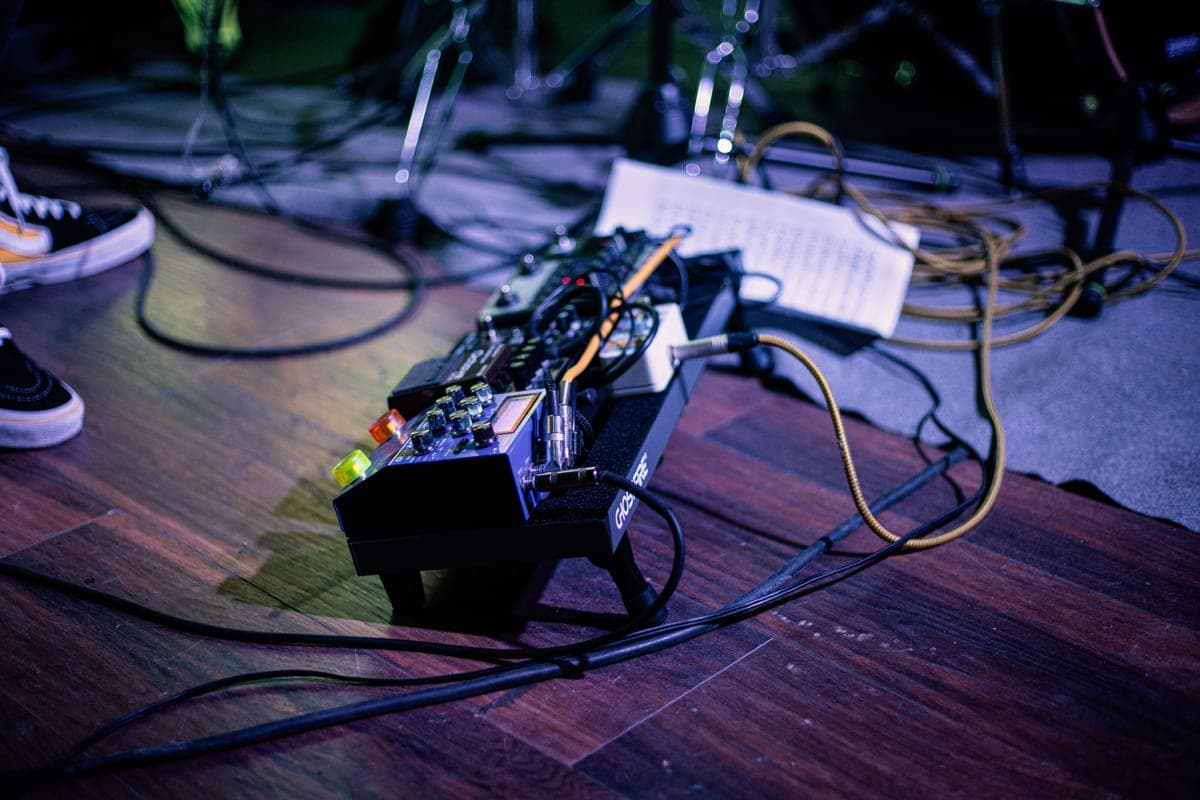
Pedalboard, Power & Signal Chain
This is the arithmetic half of the site. Current draw, voltage and output count are published numbers, and adding them up correctly is most of the job.
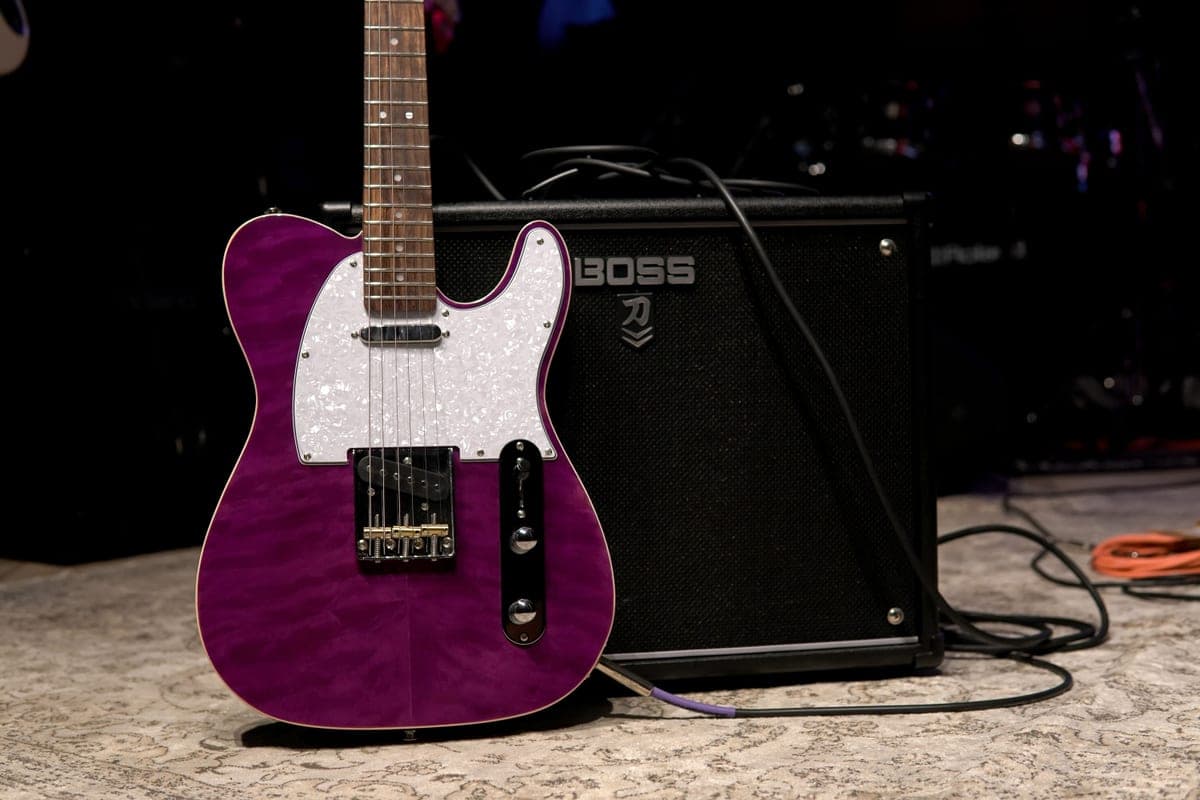
Amps, Cabs & Attenuators
Wattage is the most misread number in guitar gear. Here is what it actually buys, and what to do when you have too much of it.
Guides
The decisions that sit above any single category — what each effect actually does, and where your next hundred dollars does the most good.
Everyone in this category says they tested twenty pedals
- Units we claim to have tested
- 0
- Sponsored placements
- 0
- Free products accepted
- 0
We haven’t played any of it, and we say so. What we do instead: compile the published specifications, read the manuals, do the arithmetic, and cite all of it so you can check the work. Where a manufacturer publishes nothing, the page says that too rather than filling the gap with a number from a forum.
The four pages that carry the argument
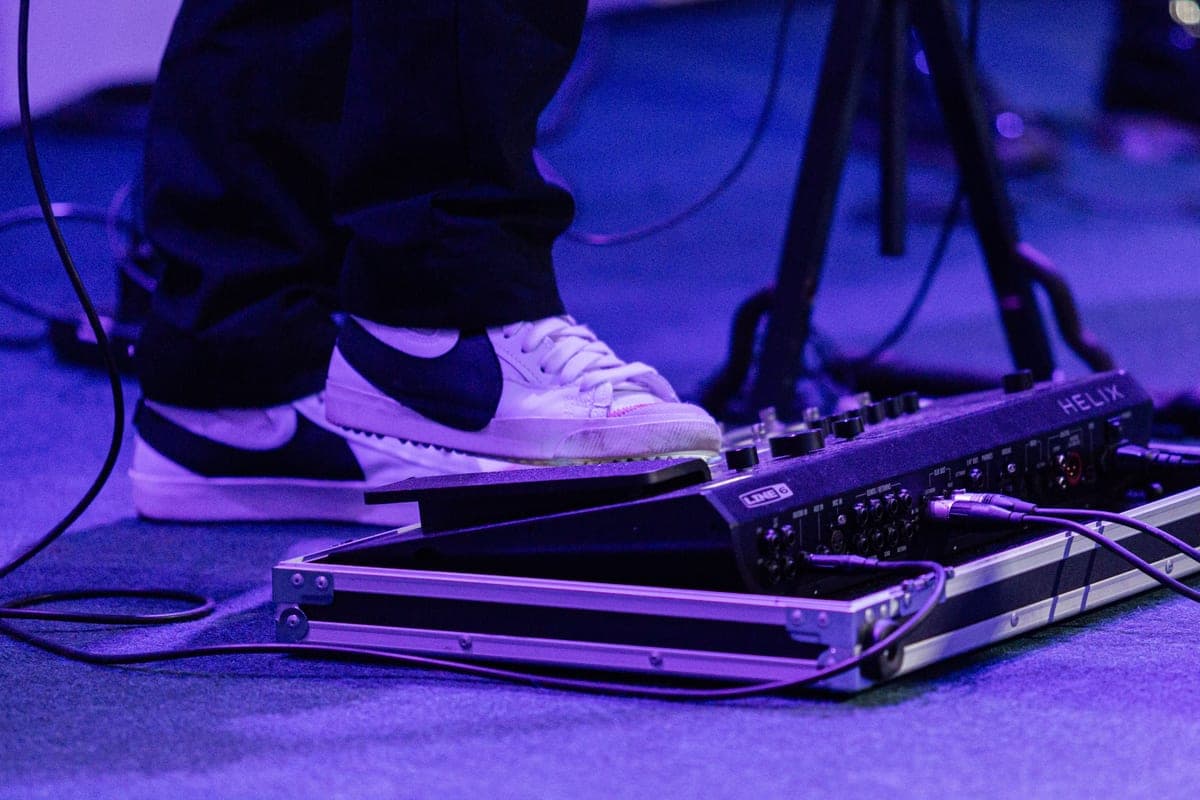
The thesis page
Should you upgrade the pedal or the amp?
One five-minute test with the pedals switched off decides it. Plus the cost comparison nobody totals up.
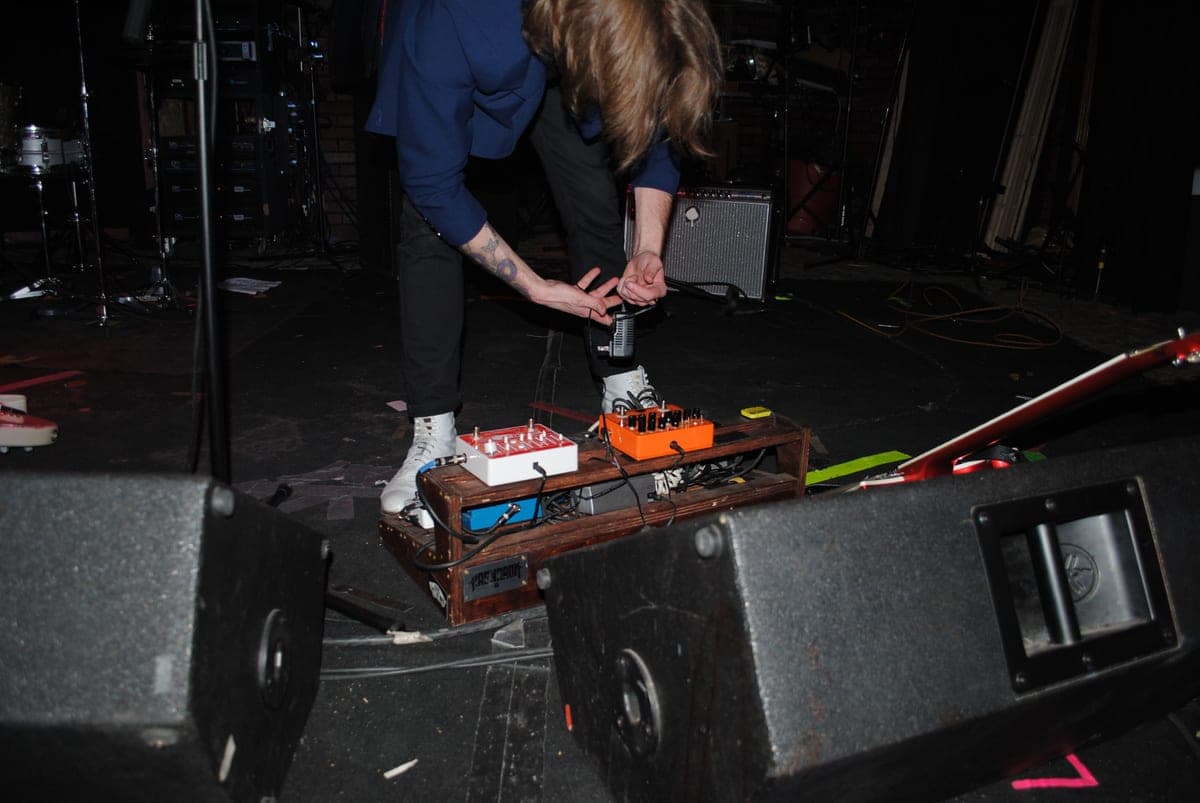
Arithmetic guide
Pedalboard power requirements explained
Two sums decide your power supply, and almost everyone only does the first. A worked example with real published figures.
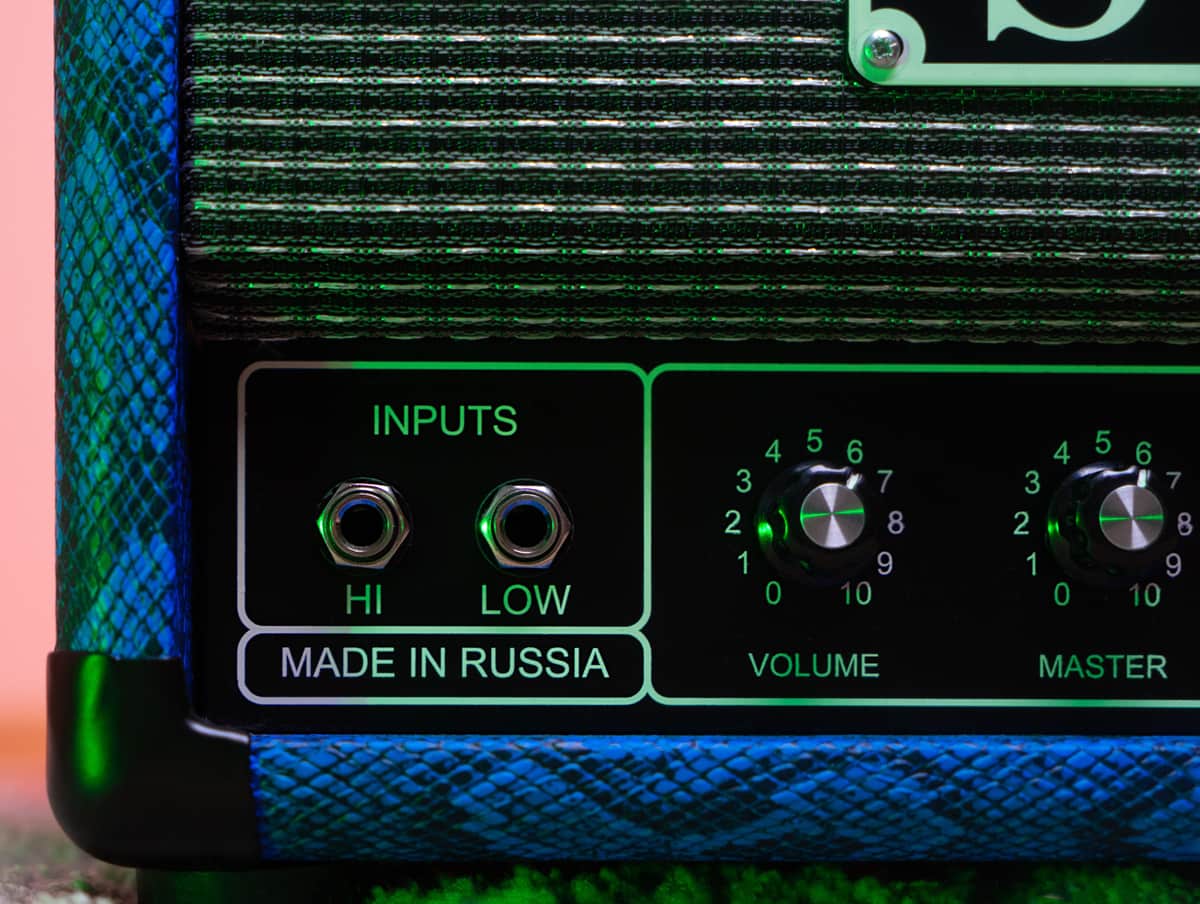
Arithmetic guide
Attenuator vs master volume
Halving power costs 3 dB. That one fact explains why a low-wattage amp is not a quiet amp, with the full table.
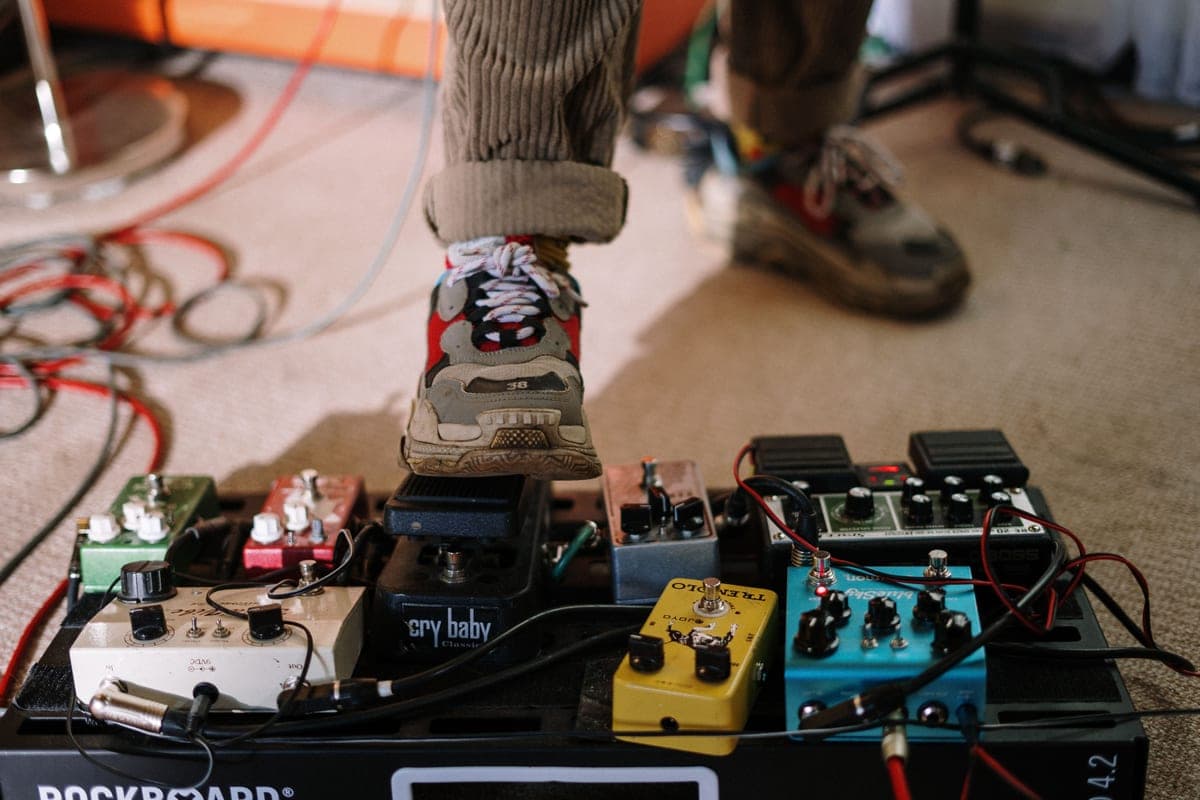
Pillar comparison
Overdrive vs distortion vs fuzz
How hard, how symmetrically, and with what EQ around it. The real distinctions, and why the box labels are unreliable.
Recently published and updated
Affiliate links, and what they do and do not decide
Fret & Fuzz is a participant in the Amazon Services LLC Associates Program. When you buy through a link on this site we may earn a commission, at no additional cost to you. That is the entire business model — there are no sponsored posts, no paid placements, and no products supplied to us by manufacturers.
It does not decide what we recommend. Every shortlist here names at least one pick we tell you not to buy, several pages recommend spending less than you were planning to, and one recommends not buying a pedal at all.
Scooter M.
An enthusiast who’s genuinely into this. I read the manuals, compile the published specs and do the math. No lab coat, no test bench, and no claim to have played every pedal on this site.